
Celebrated Filipino rapper Gloc-9 is bringing his storytelling beyond music and into the world of poetry with the launch of a new literary project that reflects nearly three decades of his work as a lyricist.
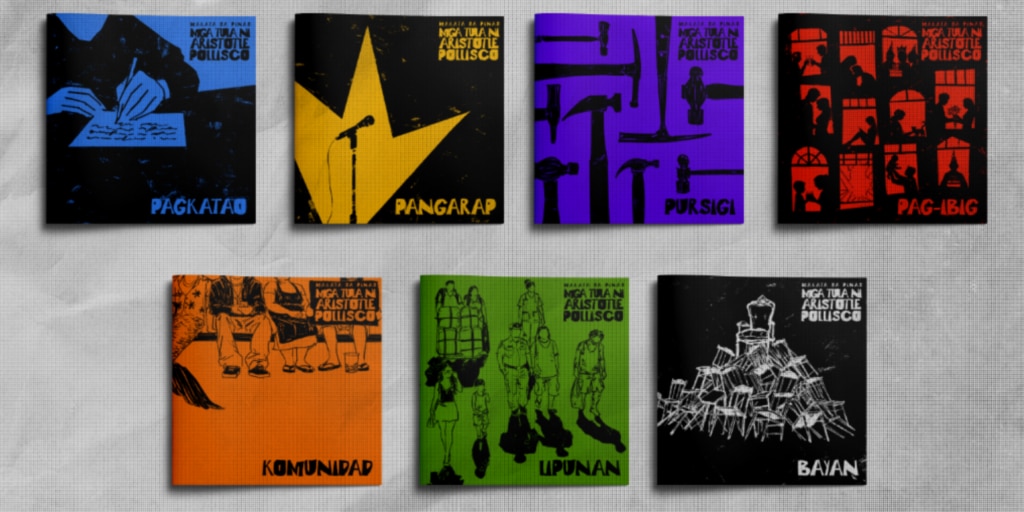
On March 12, 2026, the artist—whose real name is Aristotle Pollisco—unveiled seven poetry chapbooks collectively titled Makata Sa Pinas during the Philippine Book Festival 2026 at SM Megamall. The title echoes a hashtag Pollisco has used for more than a decade, symbolizing how he has long viewed himself not just as a rapper but as a poet chronicling the lives and struggles of Filipinos.
The collection gathers poems inspired by themes that have consistently appeared throughout Pollisco’s 28-year discography. Through the chapbooks, the rapper revisits the ideas, stories, and perspectives that shaped many of his songs, presenting them in a literary form that invites readers to engage with his words in a new way.
Unlike his previous poetry release, Akin Lang Naman, which came out in 2017 through ABS-CBN Publishing, this latest project adopts a different format. Instead of compiling everything into a single volume, Pollisco envisioned a series of shorter books, each focused on a specific theme. The concept was developed alongside the independent press Everything’s Fine, which worked with the rapper to revisit his body of work and identify the recurring subjects that define his writing.
The seven chapbooks are arranged as a journey—beginning with personal reflection, expanding into stories about everyday life, and eventually addressing broader social realities.
The first three books center on Pollisco’s inner world and creative beginnings. Pagkatao explores his formative years in Binangonan, Rizal, and the experiences that helped shape his identity as a writer and performer. Pangarap gathers poems about ambition and his dream of becoming a rapper and songwriter, including reflections on what it means to achieve those goals. Pursigi focuses on perseverance, highlighting the determination and discipline required to stay true to one’s aspirations and values.
From there, the collection widens its scope. Pagibig reflects on love in its many forms—from family connections to romantic relationships, including those that end in heartbreak. Meanwhile, Komunidad paints snapshots of life in local neighborhoods, telling the stories of people often encountered in everyday spaces but rarely centered in mainstream narratives.
The final two chapbooks address larger societal themes. Lipunan contemplates the kind of society people have collectively shaped, influenced by both compassion and division. Bayan turns its attention to the nation itself, telling stories from the perspective of ordinary citizens whose struggles are often overlooked by those in power.
To pre-order, click https://bit.ly/EFpreorderMSP