Manila is set to pulse once more with electrifying beats as &FRIENDS Festival returns in 2026, bringing together some of the biggest names in electronic dance music alongside a powerful wave of Filipino talent. With an expansive lineup spanning global headliners, regional standouts, and homegrown artists, this year’s edition highlights the growing influence of the Filipino diaspora in the international EDM scene.
At the forefront of the celebration is Alan Shirahama, who joins the festival as one of its headliners. Known for his dynamic career as both a DJ and the leader of J-pop group GENERATIONS from EXILE TRIBE, Shirahama’s presence reflects a cross-cultural bridge between Japan and the Philippines. His appointment as a Philippine Tourism Ambassador in 2023 adds even more significance to his participation, making his set one of the festival’s most meaningful moments.
Also returning to Manila is Ian Asher, whose globally streamed tracks and collaboration with SB19 have cemented his reputation in the pop-leaning electronic space. Meanwhile, Seduza continues to push sonic boundaries with genre-blending sets that span trap, house, and Jersey club, having previously performed at major festivals like Coachella. Filipino-Australian DJ Tye Turner completes the roster of globally active Filipino acts, bringing his high-energy performances and crowd-commanding presence to the Manila stage.
They are joined by local names such as Marc Marasigan and L.A, alongside Ace Ramos, Afinity, Ami Mura, and others, forming a robust Main Stage lineup that underscores the Philippines’ deepening footprint in electronic music.
Beyond its Filipino-led momentum, the festival also boasts an impressive international roster. Canadian duo Adventure Club will make their Philippine debut, while South Korean producer Aiobahn is set to bring his signature anime-inspired sound to Manila for the first time.
Headlining Night 1 are Porter Robinson and Subtronics, both known for their genre-defining contributions to EDM. Robinson returns following his massive “SMILE! :D” tour, while Subtronics continues his rise as a dominant force in bass music.
Night 2 will close with Galantis and Yellow Claw, two acts whose catalogs have shaped festival culture worldwide, from chart-topping hits to genre-blending anthems.
Across three stages and over 60 artists, &FRIENDS Festival stays true to its mission of delivering a world-class experience. The Club Stage offers a deeper dive into underground sounds, while the newly introduced Friendship Stage highlights collaborative sets and collectives from across Asia, reinforcing the festival’s community-driven spirit.
With no shortage of Filipino talent standing at the helm, the 2026 &FRIENDS Festival is shaping up to be as much a celebration of the Philippines and its people as it is a jam-packed weekend of non-stop raving and electronic music appreciation.
Tickets are available via Ticketmelon and AirAsia MoveTix, with options ranging from single-day passes to group bundles.
R&B powerhouse Kehlani has officially unveiled her long-awaited self-titled album, Kehlani, marking a deeply personal milestone as it arrives on her birthday. The release, now available across major streaming platforms, signals a new era for the GRAMMY® Award-winning artist, defined by emotional clarity, creative freedom, and a bold expansion of her sonic identity.
The self-titled project brings together an all-star lineup of collaborators, including Big Sean, Brandy, Cardi B, Clipse, Leon Thomas, Lil Jon, Lil Wayne, Missy Elliott, T-Pain, and Usher. Together, the features help shape a genre-blurring body of work that leans into Kehlani’s signature mix of vulnerability and experimentation, while elevating her storytelling to new heights.
At its core, Kehlani captures the artist at her most honest, weaving soul-baring narratives with lush, dynamic production. The album builds on the momentum of its previously released singles, beginning with “Folded,” a breakout anthem that has become one of the defining R&B records of the decade. “Folded” delivered major award recognition, including 2x GRAMMY® wins for Best R&B Song and Best R&B Performance, an iHeartRadio Music Award for R&B Song of the Year—where Kehlani also made her debut award show performance—alongside NAACP Image Awards nominations and three American Music Award nods, including Song of the Year.
The rollout continued with “Out The Window,” further spotlighting her emotional transparency and evolving sound. Most recently, Kehlani released “Back and Forth” featuring Missy Elliott, a track that blends introspection with high-energy flair. The collaboration serves as the final preview of the album, pairing Kehlani’s signature vulnerability with Missy Elliott’s unmistakable innovation.
KEHLANI TRACKLIST
1. Intro
2. Anotha Luva (feat. Lil Wayne)
3. No Such Thing (feat. Clipse)
4. Folded
5. I Need You (feat. Brandy)
6. Oooh
7. Back and Forth (feat. Missy Elliott)
8. Shoulda Never (feat. Usher)
9. You Got It
10. Out The Window
11. Still
12. Call Me Back (feat. T-Pain & Lil Jon)
13. Pocket (feat. Cardi B)
14. Lights On (feat. Big Sean)
15. Sweet Nuthins (feat. Leon Thomas)
16. Cruise Control
17. Unlearn
A rising K-pop force is stepping into the world of wellness, and the timing couldn’t be sharper.
The nine-member K-pop rookie group, formed through the hit survival show Universe League, is stepping into a new era as the official Youth Ambassadors for IAM Worldwide. But more than just a brand deal, the partnership marks a major first: IAM Worldwide is the group’s very first endorsement since debuting in 2025.
Short for “All-time Hall Of Famer,” AHOF is chasing legacy. And with a name that also translates to “nine” in Hangul, the group embraces its identity as a tightly knit, globally diverse unit. Composed of Steven, Jeongwoo, Woongki, Shuaibo, Han, Daisuke, Juwon, Chih En, and JL, AHOF brings together talent from South Korea, Japan, China, Taiwan, and the Philippines, making them one of the most internationally dynamic acts of K-pop’s 5th generation.
Since dropping their debut EP Who We Are on July 1, 2025, AHOF has been on a steady climb. The group quickly turned heads with strong first-week album sales, an impressive feat for a rookie act, and built a passionate global fanbase known as “FOHA.” Their music hits a sweet spot: emotional yet explosive, introspective yet performance-driven.
But what really sets AHOF apart is their mindset. They’re telling stories of ambition, pressure, and growth, themes that resonate with a generation figuring things out in real time. That same energy makes their partnership with IAM Worldwide feel like a natural fit. As the brand shared, “At IAM Worldwide, we believe that modern wellness is about consistency, discipline, and the courage to evolve,” adding that “AHOF embodies this mindset.
As Youth Ambassadors, AHOF will lead a fresh campaign centered on the IAM Amazing Organic Barley Gummies, a wellness product designed for busy, on-the-go lifestyles. It’s a move that expands their influence beyond music and into everyday habits, connecting with fans in a more personal way.
For Filipino fans, there’s an added layer of pride. Member JL Gaspar’s rise, from topping Universe League to debuting in a multinational group, cements his place as a standout figure representing Filipino talent on the global stage.
Pack your bags as Travis Japan is hitting the road, and this time, the stage lights are swapped for sun-soaked highways and desert skies.
In their upcoming Disney+ series Travis Japan Summer Vacation!! in the USA, premiering May 1, the J-pop group invites fans on a road trip that’s equal parts adventure, nostalgia, and self-discovery.
Fresh from their recent world tour, the seven members—Kaito “Chaka” Miyachika, Kaito “Umi” Nakamura, Ryuya “Shime” Shimekake, Noel Kawashima, Shizuya “Shizu” Yoshizawa, Genta Matsuda, and Kaito “Machu” Matsukura—set off on a journey that feels like a full-circle moment. The destination? Los Angeles, the same city where they first made waves internationally through their breakout stint and debut performance on America's Got Talent.
But don’t expect a typical travel diary. This 10-part series turns the classic road trip into something more personal. Splitting into teams and following an itinerary planned by Kawashima, the group explores the U.S. one unforgettable stop at a time.
From the otherworldly rock formations of Arches National Park to the old-town charm of Durango, and the breathtaking views of Monument Valley and Sedona, every location adds a new layer to their journey. Along the way, the members trade choreography for campfire conversations, opening up about their early days, challenges, and the whirlwind rise that brought them to the global stage.
Premiering with three episodes on launch day, new installments will roll out every Friday until the finale on June 19.
At its core, Travis Japan Summer Vacation!! in the USA is a story of growth, friendship, and rediscovery. And for Travis Japan, this ride looks like one worth taking.
Tickets secured yet?
After seven years away from Philippine stages, K-pop powerhouse EXO is set to make a highly anticipated return with their upcoming concert titled “EXOplanet #6 – EXhOrizon in Manila,” happening on July 4 and 5, 2026 at the SM Mall of Asia Arena.
The two-day concert marks EXO’s first full-group appearance in the Philippines since their 2019 “EXplOration” tour, making it one of the most significant stops in their 2026 comeback schedule. This return carries added meaning as it follows the members’ completion of military service.
The show will also serve as a live showcase of EXO’s eighth full-length album, REVERXE, which is expected to headline the concert setlist. Fans can anticipate a mix of new material from the album alongside the group’s signature hits that have defined their career over the past decade. The concert is positioned not just as a performance, but as a reunion experience between the group and their long-supporting Filipino audience.
The Manila stop will feature members Suho, Chanyeol, Kyungsoo, Kai, Sehun, and Lay, marking a rare full-group stage appearance in 2026.
Ticketing details have also been officially announced. The EXO-L Membership (GL) presale begins on April 17, 2026, from 10 AM to 10 PM PHT via smtickets.com. Meanwhile, general ticket sales will open on April 19, 2026, starting at 12 PM onwards through SM Tickets.
Presented by PULP Live World, “EXOplanet #6 – EXhOrizon in Manila” is shaping up to be one of the most anticipated K-pop events of 2026 in the Philippines.
https://pulpliveworld.com/Shows/291
“A band that eats together, stays forever.” It’s a lighthearted line, but for Sandwich, it reflects a deeper truth about longevity, chemistry and shared experiences that have kept them together for decades.
The veteran Filipino alternative rock band, composed of Raymund Marasigan, Diego Castillo, Mong Alcaraz, Myrene Academia, and Mike Dizon, shared the quip when asked about the secret behind their staying power. While clearly said in jest, the sentiment points to something essential: maintaining strong personal bonds beyond the stage.
For Sandwich, regularly coming together, whether for meals or music, has helped sustain the group’s dynamic and creative spark through the years.
Formed in 1998, Sandwich emerged as one of the defining acts in the local alternative rock scene. Known for their experimental edge and playful songwriting, the band carved out a unique identity that resonated with both critics and listeners. Over time, they built a reputation not just for producing hits, but for evolving with each release, never confined to a single sound or formula.
Their move to PolyEast Records in 2006 marked a new chapter, leading to a steady stream of albums and fan-favorite tracks such as “Sugod” and “Betamax.” Years later, their partnership with the label remains intact, with the band recently renewing their contract on March 27, 2026.
Even as the music landscape shifts, Sandwich continues to adapt. The group acknowledged the rapid growth of Original Pilipino Music (OPM) in the digital era, embracing faster-paced platforms like TikTok to connect with newer audiences. This willingness to evolve has allowed them to remain relevant in an industry that constantly reinvents itself.
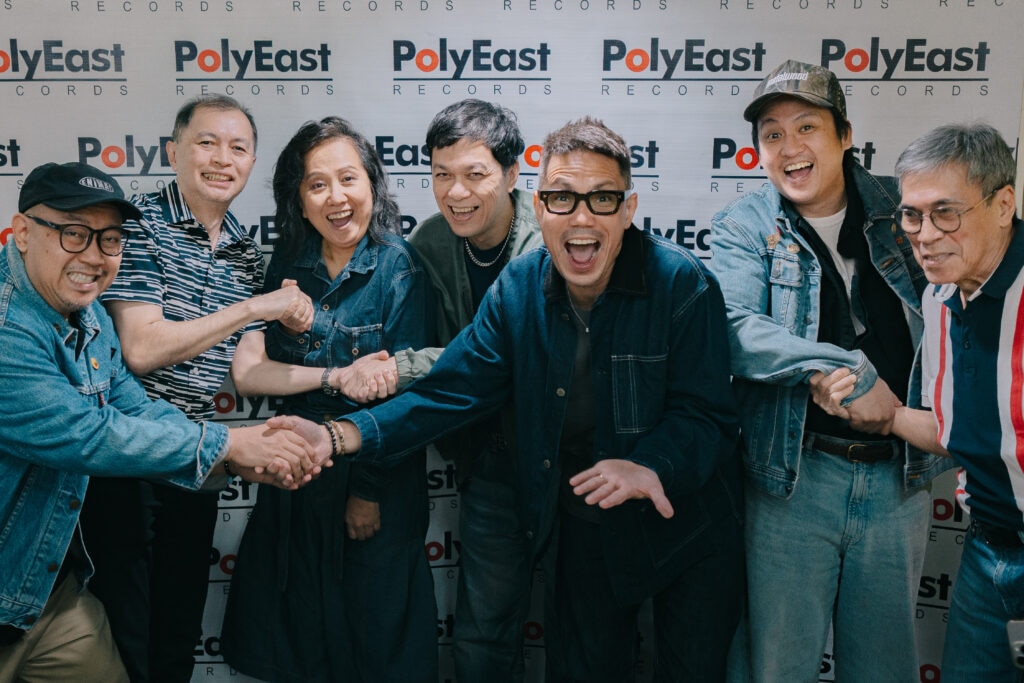
With that, Sandwich is currently gearing up for the release of a new full-length album, with a lead single titled “Young Stunna” set to drop in the first week of May. The upcoming track hints at a fresh yet familiar direction that blends their signature sound with contemporary influences.
The title alone plays on the idea of staying young at heart—an ironic but fitting theme for a band that has been in the industry for over two decades. Early hints suggest the single leans into a more contemporary, groove-driven sound while still carrying Sandwich’s signature grit and irreverence. It reflects their awareness of today’s fast-moving music culture, where trends evolve quickly and artists are constantly challenged to keep up.
Some performances entertain. Others resonate long after the final note.
When Jarren Garcia arrived in Vancouver for MYX Presents: Jarren in Vancity last October, the result was not simply a live set, but a carefully felt exchange between artist and audience. In an intimate setting of 150 fans, the evening unfolded with a rare immediacy — measured, immersive, and deeply connected.
The night opened with Téa G, whose poised and assured performance established a tonal foundation that was both contemporary and self-possessed. Jarren followed with a set that emphasized nuance over spectacle — a performance defined by control, presence, and a clear articulation of his evolving sound.
Beyond the stage, the experience extended into a broader cultural dialogue.
A Fit Check featuring Baldylox Vintage (Alex Chang), a leading voice in Vancouver’s vintage and streetwear space, positioned style as an extension of artistic identity — a visual counterpart to sound.
An Artist Appreciation session with John Concepcion, a Vancouver-based Filipino-Canadian R&B artist known for his smooth, contemporary sound, offered a thoughtful exchange between two artists navigating the intersections of music, heritage, and global audience — grounded, reflective, and forward-looking.
Together, these moments formed a cohesive narrative: Jarren in Vancity as both performance and perspective — a study in how music, fashion, and community converge in real time.
MYX now brings this moment into focus.
Special performances, exclusive conversations, and behind-the-scenes access from Jarren in Vancity are now available on MYX’s official YouTube channel.
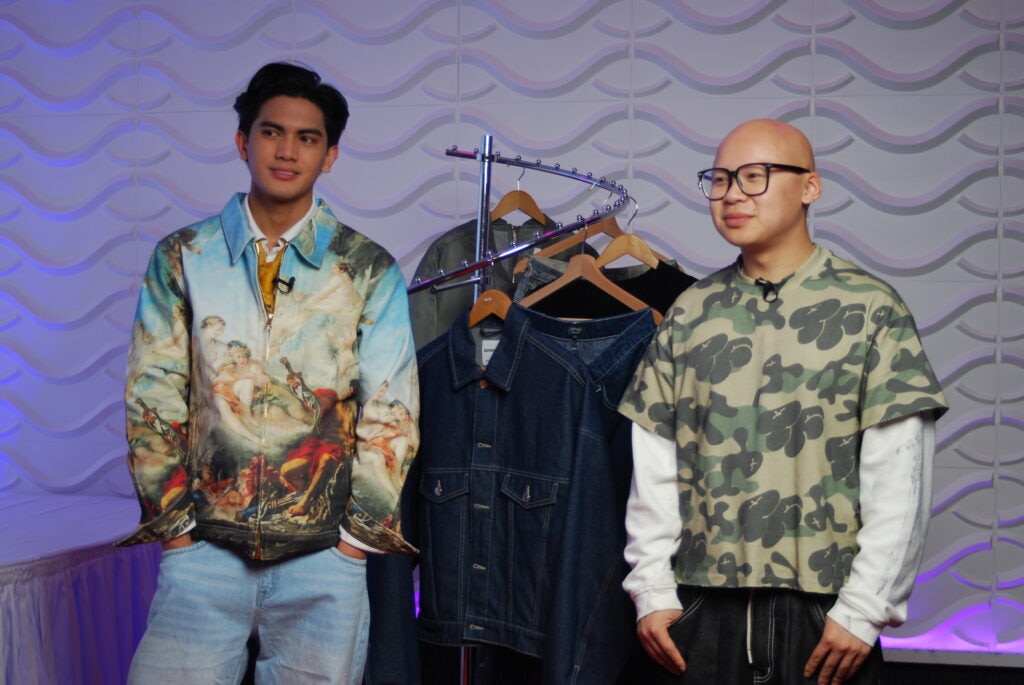
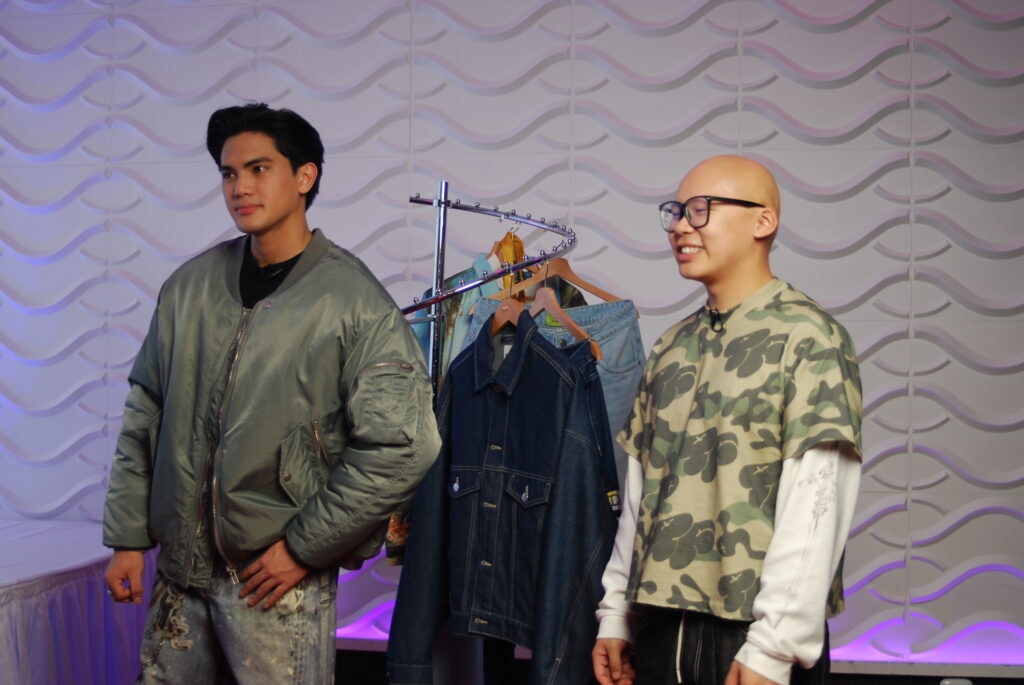


*Photo courtesy of Archia Natividad.
by Julienne Frago
BGYO’s youngest member, Nate, sat down with VJs Ella, Jarren, and Robbie for a deep-dive interview to discuss his growth from being a child prodigy from Chicago to becoming a key member who’s known for his clean and powerful dance skills.
Nate’s journey to being a performer began at the age of six, inspired by watching America’s Best Dance Crew and listening to hip-hop tracks his father played in the car. Groups like Extreme Dance Force and The Future Kings made him discover his own “energy and flavor", and taught him how to incorporate it in his craft. Nate also shared his participation in Justin Bieber's Purpose Tour in Chicago as a child, recalling how surprising it was to be contacted for the project and be able to watch the artist play drums during a technical rehearsal.
Usually focused on the performance side, Nate recently started exploring his creative side as a choreographer, revealing that his contribution to the choreography for their new single “FRESH” happened almost by accident as it was an on-the-spot inspiration. Nate was asked during the rehearsal if he had ideas for the chorus, spontaneously coming up with a smooth and swaggy groove that perfectly suited the vibe of the song.
As BGYO hits their five-year milestone, Nate is aiming for a more hands-on future where he can be more involved in music production, and potentially return to gaming and live streaming. When asked about his dream international stage, he didn't hesitate to answer “The Rose Bowl Stadium". For future aspirations, he hopes to perform back in his hometown Chicago with his group members, and to one day be able to collaborate or have a dance-off with Justin Timberlake.
Watch the full episode:
by Julienne Frago
As BGYO celebrated their fifth anniversary, BGYO Mikki revealed that the past years have been a "solid” period of learning and developing as an individual, and honing their crafts as a group. To commemorate this milestone, the group released the single “FRESH" which was co-composed and written by Mikki.
During the first episode of MYX NOW Season 2, Mikki provided a peek into how the track came to life. He stated that he began with the chorus before working on the verse four days before the listening or deadline. The reason for the short preparation time was because sometimes he had a lot of things to do to the point of procrastinating and doing other things first. He also added that he works better when there's little time left before the deadline.
Moreover, in writing and composing, he focused on how to further highlight each group member’s vocal strength and impact.
Other than the "FRESH” sound, Mikki stated that the impact should also be fresh, referring to the new and unique way to promote their song and came up with the idea of wearing the white shirts with "FRESH” printed on them by seeing Marty Supreme going around wearing a jacket with his name on it. He also shared that his fashion icons are ASAP Rocky, Kanye, Tyler the Creator, Don Toliver, and Playboi Carti, influencing him to his own distinct fashion sense.
With Mikki’s goal of having a balanced discography that blends international appeal with Filipino-centric upbeat tracks, this is more than just the charts—it’s about staying authentic and real to his quiet yet creative soul while pushing the boundaries of what P-Pop can be.
When asked what headline he wants to see for BGYO by the end of the year, Mikki answered " BGYO: Still FRESH."
All of this and more on MYX NOW Season 2:
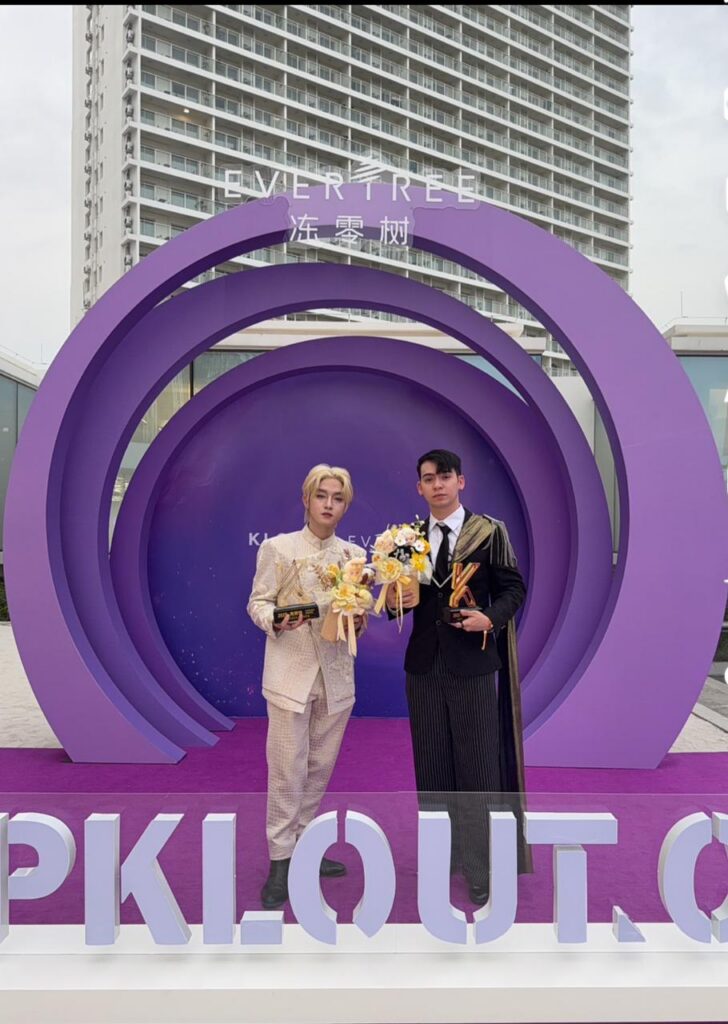
Filipino digital creators are taking center stage on the global scene as Dylan Burton and AJ Colico represented the country at the Topklout 10th K-World Influencer Summit on March 21 in Beihai.
Recognized as one of the largest gatherings in the digital ecosystem, the summit brings together top influencers, content creators, and innovators from across the globe. It serves as a platform where digital voices converge to exchange ideas, explore emerging trends, and celebrate the evolving landscape of online influence.
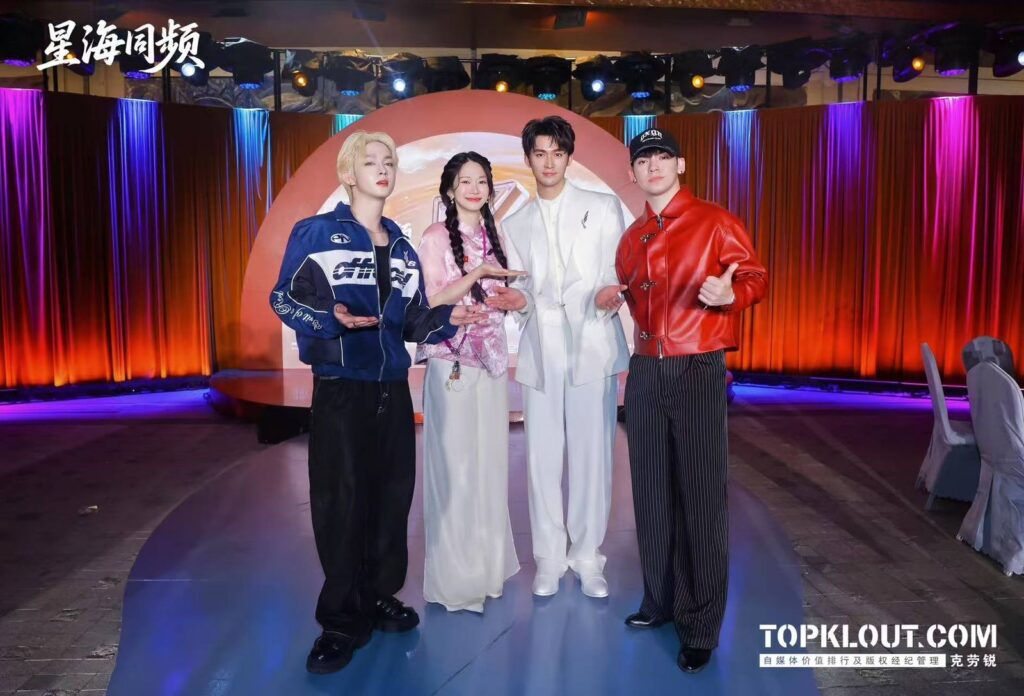
Burton and Colico were selected as top creators from the Philippines, a recognition that underscores their growing impact in the digital space. Known for their engaging content and strong online presence, both creators have steadily built communities that reflect the dynamic and creative spirit of Filipino storytelling.
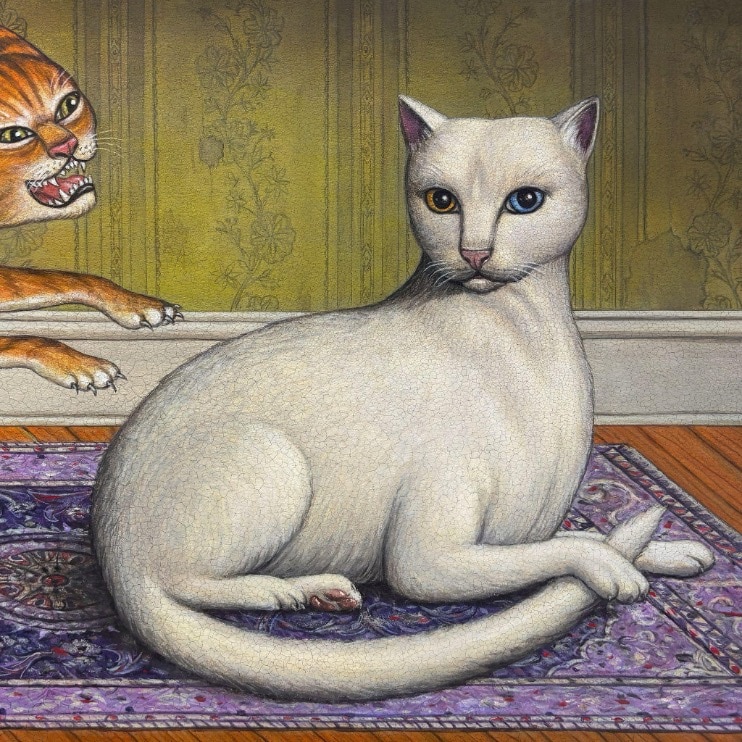
There is a cat at the center of Mitski’s newest world.
Not the soft, internet-famous kind curled in a sunbeam, but a cat suspended in a moment of tension, with one cat calmly occupying the foreground while another waits in the background, ready to pounce. The first cat doesn’t see it. Or perhaps it does, and simply refuses to live in fear.
That image anchors “Nothing’s About to Happen to Me,” Mitski’s eighth studio album released through Dead Oceans. The album artwork, made by Mark Burckhardt, came directly from a scene Mitski imagined in her head long before the music took its final form.
“So the album art started with basically the idea in my head,” she told Gannon Hanevol of The Current. “I had this mental image of a cat in the foreground, oblivious, blissfully unaware of a cat in the background about to pounce on it.”
The title of the album, she explains, comes from the voice of that unaware cat: Nothing’s about to happen to me.
That tension has long defined Mitski’s songwriting. Few artists of her generation have captured the emotional interior of modern life with such sharp precision. On this album, those feelings became so dense that Mitski began to notice a shared emotional landscape across the songs.
“I think the music came first, and I think I just looked at all the songs and I was like this feels like there’s a common theme of feeling claustrophobic, but in your mind,” she shared.
It’s a specific kind of claustrophobia, where the outside world feels overwhelming, but the inside world feels even louder. “Feeling boxed into your thoughts,” she continued. “Feeling wary of the outside world, feeling overstimulated and feeling lonely and isolated at the same time.”
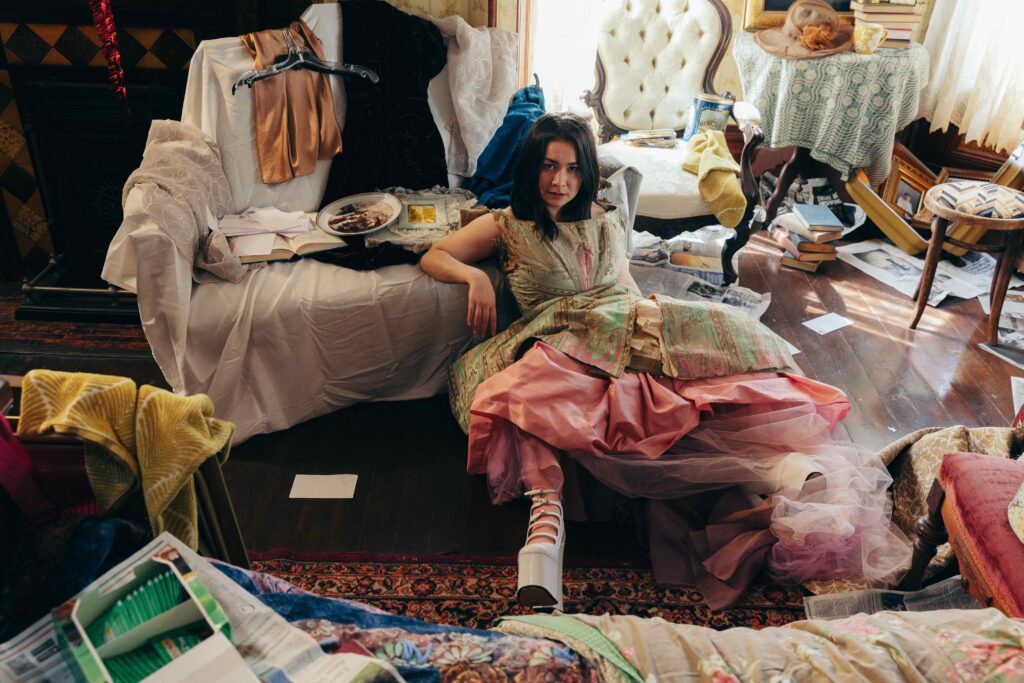
If the album cover is the cat, then the setting of the record might be the house it lives in. Mitski imagined the album’s central figure as a strange, solitary woman living in an old inherited house where she can’t quite manage but can’t abandon either. In her mind, the house itself mirrors the mind—rooms filled with accumulated objects, inherited stories, and emotional debris that stretches across generations.
Mitski explained that she was drawn to the idea of a house representing a person’s mind, with the objects collected in its rooms serving as a metaphor for the generational traumas that can build up within someone over time.
And inside that house is the cat. The metaphor, Mitski admits, arrived more as instinct than calculation. Cats have always carried a strange cultural reputation: adored by some, distrusted by others. People who dislike them often describe them as mean or distant.
But Mitski sees something else entirely. Cats do not obey commands or organize themselves into hierarchies. They don’t perform affection on cue. They live beside humans and not beneath them.
“They love you how they love you and they do what they want.” In Mitski’s telling, that independence reveals something deeper about how people, particularly women, are judged.
“I think often cats are demonized for that. In a similar way that I think a lot of women maybe are misunderstood for that quality.” The comparison isn’t heavy-handed. Instead, it reframes the album’s emotional terrain, that is the misunderstood woman, the solitary house, the watchful cat. All of them exist slightly outside the expectations placed on them and even the music itself refused to behave.
When Mitski first began recording the album with longtime collaborator Patrick Hyland, she imagined something stripped down and direct, more like rock songs as she wanted to use the bare minimum amount of instruments. But songs, Mitski believes, have a way of revealing their own needs.
“Sometimes you can't enforce your will onto songs,” she uttered. “Sometimes songs just are what they are and you have to follow what they need to be.”
What began as minimal rock arrangements slowly expanded into something more cinematic, with orchestral textures and choral layers weaving through the record. The songs, it seemed, had decided their own scale. If that unpredictability feels familiar, it’s because Mitski’s career has always unfolded in a similar way.
Over the years, she has become one of the most respected songwriters of her generation. Her songs capture the contradictions of being alive, like wanting connection but fearing it or searching for meaning while knowing life itself is fragile.
“I mean, I can’t make anyone feel anything,bBut the ultimate would be… I hope I can die happy if someone at some point listens to specifically the end of this album and feels a sort of awe towards life and its fragility and its beauty,” she shared.
It’s an audacious wish, she admits. But it’s also a very Mitski one. Because in her songs, life has always been something both delicate and enormous, but still worthy of wonder. Like the cat in the painting, we move through the world without seeing everything that waits behind us. Danger, change, endings—they exist whether we acknowledge them or not.
But Mitski’s music suggests another possibility that even in the shadow of the pounce, there is still time to sit in the sun. And well, simply exist.
Celebrated Filipino rapper Gloc-9 is bringing his storytelling beyond music and into the world of poetry with the launch of a new literary project that reflects nearly three decades of his work as a lyricist.
On March 12, 2026, the artist—whose real name is Aristotle Pollisco—unveiled seven poetry chapbooks collectively titled Makata Sa Pinas during the Philippine Book Festival 2026 at SM Megamall. The title echoes a hashtag Pollisco has used for more than a decade, symbolizing how he has long viewed himself not just as a rapper but as a poet chronicling the lives and struggles of Filipinos.
The collection gathers poems inspired by themes that have consistently appeared throughout Pollisco’s 28-year discography. Through the chapbooks, the rapper revisits the ideas, stories, and perspectives that shaped many of his songs, presenting them in a literary form that invites readers to engage with his words in a new way.
Unlike his previous poetry release, Akin Lang Naman, which came out in 2017 through ABS-CBN Publishing, this latest project adopts a different format. Instead of compiling everything into a single volume, Pollisco envisioned a series of shorter books, each focused on a specific theme. The concept was developed alongside the independent press Everything’s Fine, which worked with the rapper to revisit his body of work and identify the recurring subjects that define his writing.
The seven chapbooks are arranged as a journey—beginning with personal reflection, expanding into stories about everyday life, and eventually addressing broader social realities.
The first three books center on Pollisco’s inner world and creative beginnings. Pagkatao explores his formative years in Binangonan, Rizal, and the experiences that helped shape his identity as a writer and performer. Pangarap gathers poems about ambition and his dream of becoming a rapper and songwriter, including reflections on what it means to achieve those goals. Pursigi focuses on perseverance, highlighting the determination and discipline required to stay true to one’s aspirations and values.
From there, the collection widens its scope. Pagibig reflects on love in its many forms—from family connections to romantic relationships, including those that end in heartbreak. Meanwhile, Komunidad paints snapshots of life in local neighborhoods, telling the stories of people often encountered in everyday spaces but rarely centered in mainstream narratives.
The final two chapbooks address larger societal themes. Lipunan contemplates the kind of society people have collectively shaped, influenced by both compassion and division. Bayan turns its attention to the nation itself, telling stories from the perspective of ordinary citizens whose struggles are often overlooked by those in power.
To pre-order, click https://bit.ly/EFpreorderMSP
